
How Retaining Walls Can Transform Your Yard in Dunwoody
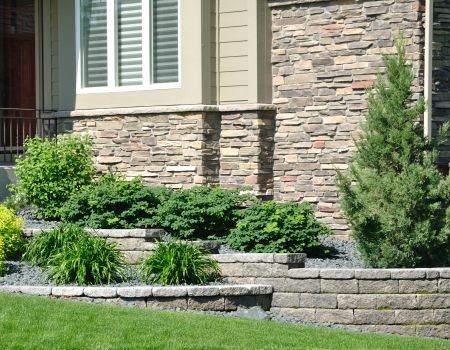
If your Dunwoody yard slopes, collects runoff, or feels hard to use, a well‑planned retaining wall can change everything. Homeowners looking for retaining walls in Atlanta, GA choose them to tame hillsides, shape flat spaces for living, and protect soil. With our local red clay and sudden summer storms, the right wall adds both beauty and real stability. When you pair smart design with professional retaining wall installation, the result looks natural and lasts.
Why Retaining Walls in Atlanta, GA Make Sense for Sloped Lots
Dunwoody sits on rolling ground with pockets of shade and fast‑draining hills. That blend can leave bare spots, ruts, and eroded mulch after a heavy rain. A retaining wall holds the line so your soil stays where it belongs, plant roots stay covered, and patios and play areas stay level and safe.
- Prevent soil erosion by locking grades in place and guiding stormwater away from beds and hardscapes.
- Add instant curb appeal with clean lines, stone textures, and plantable terraces that soften slopes.
- Create new garden beds for pollinators, herbs, or shrubs that thrive in partial shade common around mature trees.
- Define outdoor spaces so steps, seating areas, and pathways feel intentional instead of improvised.
In short, a wall converts a steep, hard‑to‑mow bank into usable square footage. It can also improve how safe your yard feels, especially where kids and pets play.
Popular Materials for Durable, Beautiful Walls
Your material choice sets the tone for the whole project. Think about your home’s architecture, nearby hardscaping, and how much texture you want to see from the street or patio.
- Modular concrete block: Engineered units that lock together for strength and consistency. Great for curves, steps, and taller walls.
- Natural stone: Timeless look with unique color variation. Works beautifully with wooded Dunwoody lots and shaded backyards.
- Brick: Classic, especially near traditional homes or where it matches existing steps and walkways.
- Timber: Warm and rustic for shorter walls or garden borders when you prefer a softer profile.
Each option has a distinctive style and different maintenance needs. Choose materials that match your home and slope so the wall feels like it has always been there. If you are also planning a patio, fire pit, or steps, it helps to coordinate everything as one outdoor plan. Explore ideas for integrated seating walls, terraces, and gathering areas on our outdoor living page.
Design Ideas That Fit Dunwoody Neighborhoods
Dunwoody’s neighborhoods vary from shaded, older streets with mature oaks to newer areas near Perimeter Center with more sun and open views. In a yard with tall trees and dappled light, a low natural stone wall can trace a gentle curve and create a raised bed for hydrangeas and ferns. Along a driveway on a steeper grade, a modular block wall with built‑in steps can ease the slope and keep mulch out of the pavement.
For backyards that fall away from the house, terrace the grade into two or three smaller levels. That approach reduces the height of any single wall and opens space for a lawn panel, a play zone, or an herb garden near the kitchen door. Small walls along a patio edge can double as seating, which saves room without adding furniture.
Lighting changes everything after dark. Downlights tucked into a seating wall create a soft glow for evening guests. In shady corners, lighter stone color or brick can brighten the scene without looking flashy.
Drainage, Footings, and Longevity
Strong walls start below the surface. A compacted gravel base, clean stone backfill, and a path for water to escape are what keep a wall standing firm through Atlanta’s heavy spring rains and summer pop‑ups. Water is the number one cause of wall failure. If it cannot drain, pressure builds and pushes on the structure.
Behind the wall, clean stone and a perforated drain pipe help move water away. Filter fabric separates soil from stone so the system stays clear. At the face of the wall, tight joints or block connections resist movement. Soil compaction and base prep decide how long a wall lasts, which is why experienced crews take extra time on the first few inches under the grade.
Where Retaining Walls Fit in Your Outdoor Plan
Think of a retaining wall as the backbone of the landscape. It shapes the land so everything else fits right. Once grades are stable, you can add a patio, a path that meets steps at a comfortable rise, or a level lawn that is easier to mow.
Seating walls around a fire feature keep the space cozy and free up floor area. Short planter walls near a front walk frame entry beds without spilling mulch. Along a backyard slope, a terraced design can carve out a flat play zone above and a shaded dining nook below. When your plan includes several features, phasing the work helps. Build the wall first, then add surfaces, lighting, and plantings to finish the look.
Local Considerations: Weather, Trees, and Sightlines
Our area sees bursts of heavy rain, mild winters, and long growing seasons. That means roots expand, water moves fast, and plant growth can hide edges if beds are not well defined. A wall can protect tree roots from being buried under new soil while still giving you a clean line for mowing.
Sightlines matter, too. From the street, a low wall with neat cap stones can show off foundation plantings without blocking windows. In a backyard, a tiered wall can screen a view of neighboring rooftops without building a fence. Choose colors that echo your roof or brick so the new work ties in with the home.
Professional Installation Pays Off
Good looks are only half the story. Proper layout, base preparation, drainage, and compaction determine whether a wall stays true after years of storms. Experienced crews understand soil conditions across Dunwoody and North Atlanta and plan for them before a shovel hits the ground. They also stage materials and access routes to protect lawns and driveways during construction.
With a professional team, you get predictable scheduling, clear communication, and precise cuts at steps and corners. You also get guidance on material selection, texture, and color that works with your home’s style. If you are comparing options, ask how the contractor builds the base, handles drainage, and supports steps. Those answers say more about quality than any photo gallery.
To see how these principles come together, explore our approach to retaining wall installation and look at examples that match your yard’s slope and sunlight. You can also learn more about retaining walls in Atlanta, GA and how they fit into the broader landscape plan.
Smart Layouts for Everyday Living
Think through how you move around the yard. Where do you want to set a grill, roll a trash bin, or kick a soccer ball? A well‑placed wall can create a flat landing at a side door, a safe step down to a lower lawn, or a level pad for a storage shed. Match riser heights on steps to indoor stairs so the transition feels natural.
Lighting along steps and caps helps at dusk when kids are still outside. Low‑voltage fixtures are subtle and easy to maintain. If you host often, a slightly wider cap stone can double as a place to set drinks. That small detail makes a big difference when friends gather on a spring evening.
Planting Ideas That Love Dunwoody’s Conditions
Walls invite plantings that spill over edges or soften corners. On sun‑soaked terraces, consider ornamental grasses and hardy perennials that handle heat. In shade, try layers of hosta, fern, and hydrangea for texture and bloom. Evergreen structure keeps the look tidy in winter and frames seasonal color in fall and spring.
Mulch stays put behind a wall, but you can go further with edging along the top terrace to stop run‑off. Drip irrigation helps on upper levels where hose reach is tricky. Keep taller shrubs away from steps for clear, safe access.
Maintenance: Keep Walls Looking New
Most modern walls ask for little beyond seasonal checkups. Clear leaves from drains and weep holes so water does not back up. Watch for soil settlement at the top courses after the first few heavy rains and add soil to keep turf edges neat.
Always plan realistic drainage from the start, then protect it by keeping stone backfill free of silt. A quick rinse of caps and faces now and then refreshes color and shows off textures, especially after pollen season.
Timeline and What to Expect
Smaller projects can move quickly once materials are in stock and access is set. Bigger or terraced designs take more time, especially where steps and integrated seating are part of the plan. Weather can shift start dates, so flexibility matters. The best time to build is before peak summer storms, or in fall when temperatures are comfortable for crews and new plantings.
From first visit to final walkthrough, you should expect clear drawings, a defined scope, and steady updates. That path reduces surprises and helps you enjoy the process as much as the result.
Ready to Transform Your Yard in Dunwoody?
Your slope can become your favorite feature with the right plan and build. If you are ready to protect your soil, shape flat spaces, and elevate curb appeal, talk with Four Boots Landscape & Construction. Call 404-557-8863 to schedule a site visit, or explore design options for custom retaining walls that fit your home and lifestyle.
Soil and water shape every decision, and our team designs with both in mind so your wall looks great on day one and year ten.
Get On The Greener Side With Our Landscaping Services In Dunwoody Area!